
Resources


Caregiving during the holidays can feel overwhelming, but there are ways to manage stress and avoid burnout. Set boundaries, practice self-care, and seek support to stay healthy and enjoy the season with your loved ones.
The holiday season is usually a happy time full of family and fun. But if you’re a caregiver, the holidays can bring extra work and stress. The daily responsibilities of caregiving, along with holiday tasks, can feel like too much and lead to caregiver burnout. Practicing holiday stress management and self-care for caregivers is important to stay healthy and enjoy the season.
Being a caregiver is an act of love, but it can take a lot of your energy and time. Taking steps to manage caregiver burnout and stress during the holidays helps you and your loved one have a brighter, healthier time together.
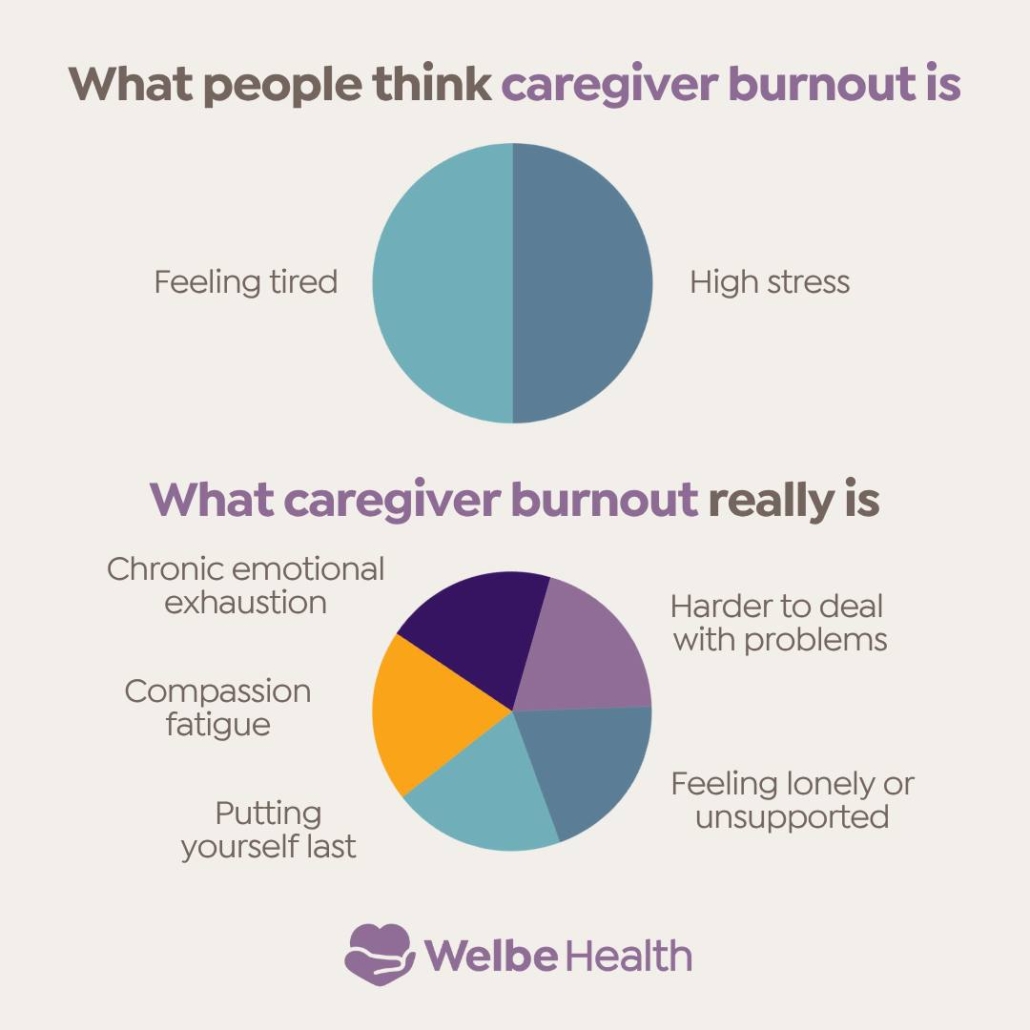
Caregiver burnout is when you feel very tired, sad, or stressed because you spend a lot of time caring for someone else. You may feel there is too much to do and not enough time for yourself. Holiday stress can make caregiver burnout even worse, so it’s important to look for signs and get support.
Recognizing the signs of caregiver burnout can help you get help quickly. Look out for:
If you notice these signs, you are not alone. Many caregivers feel overwhelmed, especially during the holidays. Early action makes holiday stress management easier.
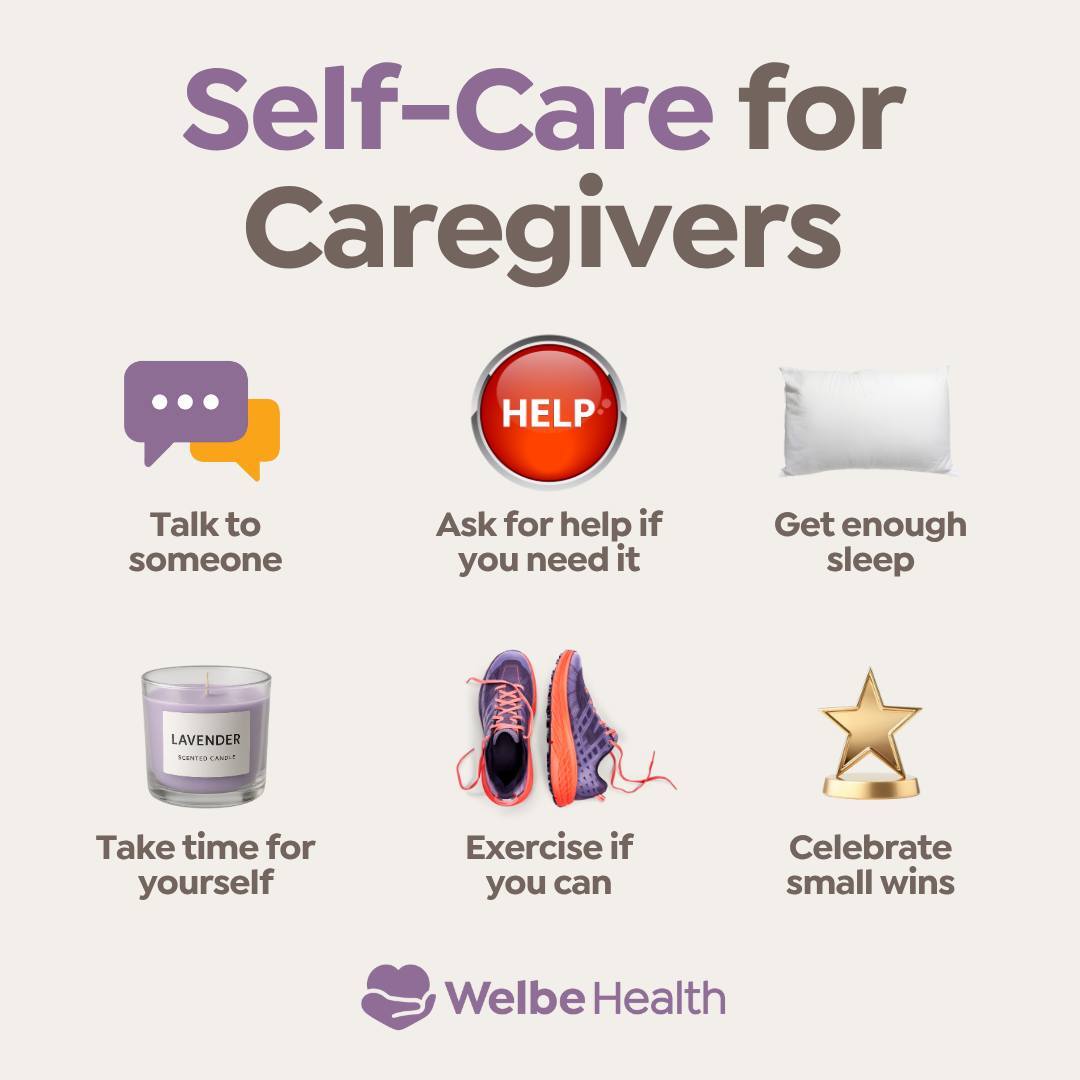
Managing holiday stress is important for self-care for caregivers. Here are ways to protect your well-being during the holiday season:
Taking care of yourself is key to preventing caregiver burnout and handling holiday stress.
Spotting caregiver burnout is an important first step in holiday stress management. At WelbeHealth, we understand how hard caregiving can be. Programs like PACE (Program of All-Inclusive Care for the Elderly) offer coordinated support for seniors and their families.
What are the signs of caregiver burnout?
Caregiver burnout can include constant exhaustion, feeling sad or hopeless, getting upset easily, losing interest in activities, and frequent health issues like headaches or muscle pain.
How can caregivers manage holiday stress?
Caregivers can manage holiday stress by setting realistic expectations, simplifying traditions, and asking for help with tasks like cooking or errands.
What self-care tips help caregivers reduce stress?
Self-care tips include getting enough sleep, talking to someone about your feelings, taking time for yourself, and doing light exercise like walking or stretching.
How can caregivers set boundaries during the holidays?
Caregivers can set boundaries by saying no to extra requests, limiting visits, and sharing responsibilities with family or friends.
What support is available for caregivers?
Programs like PACE (Program of All-Inclusive Care for the Elderly) offer coordinated support for seniors and their families, often at little or no cost.
WelbeHealth provides full-service healthcare and personalized support to help your loved ones age well at home and in your community. Our Program of All-Inclusive Care for the Elderly (PACE) meets the changing needs of seniors, often at no cost, while helping you navigate life as a caregiver. To see if you qualify, call: (888) 750-0248 | TTY 711 or visit: welbehealth.com/contact